
Is luck the key to winning at the casino?
The Role of Luck in Casino Games
Luck is often regarded as the primary factor when it comes to winning in casino games. When players step into a casino, they are greeted by vibrant lights, engaging sounds, and the tempting promise of substantial winnings. This environment creates an exhilarating atmosphere where the role of chance becomes palpably evident. Various games, particularly those categorized as games of chance like slots and roulette, rely heavily on luck, as players have no control over the outcomes. For example, spinning a slot machine or placing a bet on a roulette number involves a random generation of results, where experience or strategy plays a minimal role. However, for those seeking quick access to their winnings, opting for a platform offering casino fast withdrawal uk can enhance the overall gaming experience significantly.
However, luck can be a double-edged sword. While some players may walk away with substantial jackpots thanks purely to favorable spins or cards, others might find themselves on a long losing streak, showcasing the unpredictable nature of luck in gambling. The randomness inherent in these games means that while some individuals can and do win, there are equally many who do not. This uncertainty can significantly contribute to the allure of casino games, attracting thrill-seekers who are willing to gamble on the outcomes, hoping for that stroke of luck.
It’s vital to understand that luck is not something players can generate or manipulate. Casinos are designed to capitalize on this randomness, maintaining a careful balance that encourages players to keep playing while ensuring that the odds remain generally in the house’s favor. Therefore, while luck plays a significant role in the short term, players must also recognize that in the long run, the house edge is a crucial component of the casino environment and their overall gaming experience.
The Influence of Skill in Casino Gaming
While luck is a significant aspect of casino games, the influence of skill cannot be overlooked. Certain games, such as poker and blackjack, rely heavily on the player’s ability to make informed decisions and employ strategic thinking. In these games, players can capitalize on their understanding of probability, psychology, and game mechanics to sway the odds in their favor. For instance, a skilled poker player can effectively bluff or read their opponent’s tells, potentially increasing their chances of winning in a way that luck alone could not achieve.
Moreover, understanding the rules and nuances of games like blackjack can greatly impact a player’s success. Knowledge about when to hit, stand, or double down can be the difference between winning and losing. Even though luck plays a role in the cards dealt, a player’s strategy can significantly influence the game’s outcome. Thus, skill and strategy can enhance a player’s chances, providing a counterbalance to the randomness of luck, making the experience more engaging and rewarding.
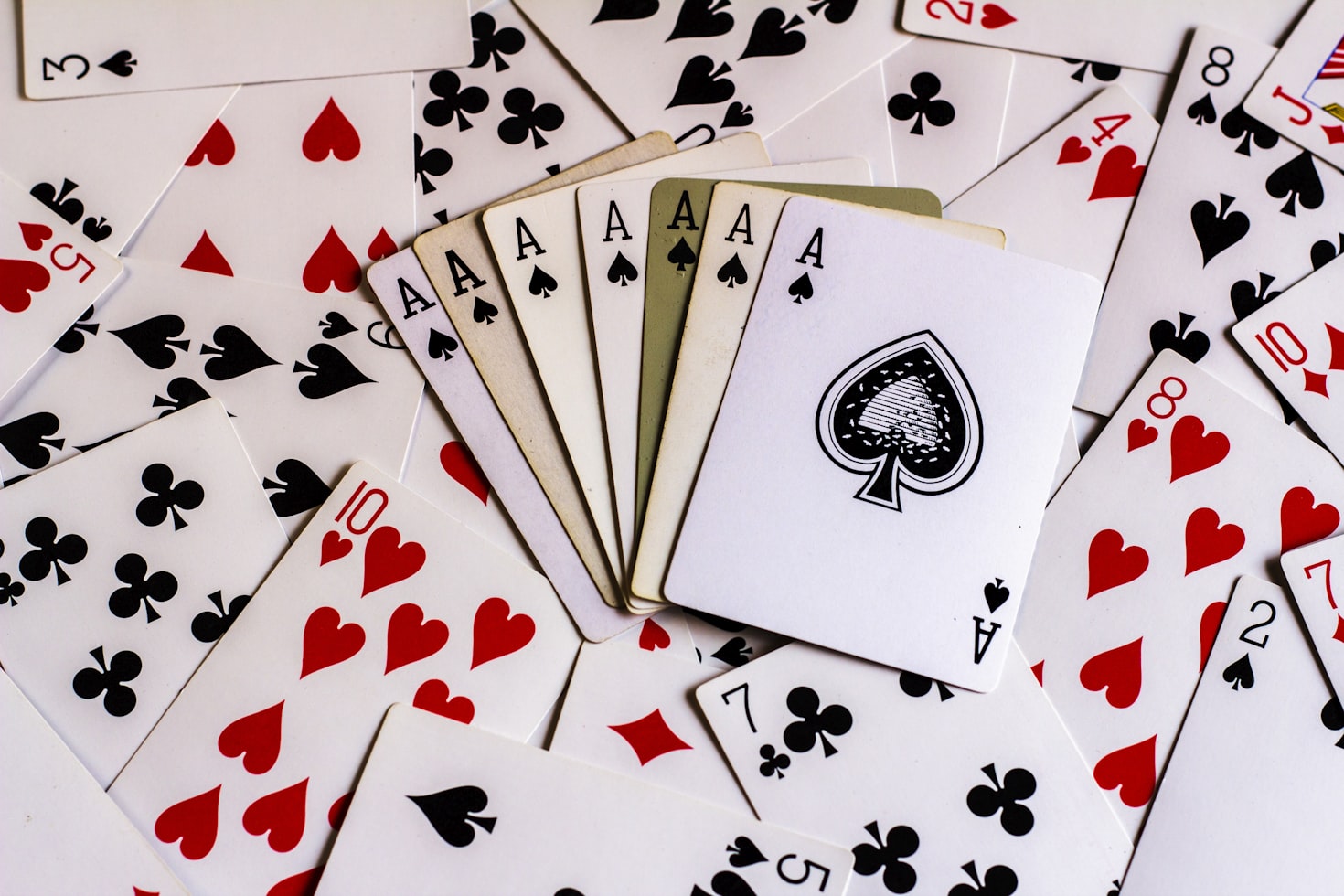
Skill also plays a crucial role in managing one’s bankroll effectively. Knowing when to walk away is essential, and this comes from experience and strategic planning rather than pure luck. Players who learn to manage their bets and understand the mechanics behind their favorite games are often able to enjoy longer gaming sessions, which may lead to more opportunities for luck to favor them. Therefore, even though luck is a significant factor in the casino experience, skill and strategy empower players to navigate their chances more effectively, ultimately enhancing their overall enjoyment and potential success.
The Psychology of Gambling and Luck
The psychology behind gambling is where the interplay between luck and decision-making becomes fascinating. Casino-goers are often drawn to the thrill of uncertainty—and this thrill can be intoxicating. Many players enter a casino believing that luck is on their side, driven by the excitement of potential wins. This optimistic mindset can, in many ways, enhance the gaming experience, allowing players to engage in the game with a sense of hope and expectation, which is an essential part of the gambling allure.
However, this psychology can also lead to gambling fallacies, where players believe in “hot streaks” or that they can influence outcomes through superstitions. For example, a player might think that because they have lost several rounds in a row, they are “due” for a win, prompting them to increase their bets and take unnecessary risks. This cognitive bias can distort one’s perception of the odds, often resulting in significant losses, even when luck may not be on their side. Understanding these psychological aspects is critical for both casino operators and players, as they shape behaviors and gambling patterns.
Many casinos utilize these psychological principles in their design and marketing strategies to create environments that entice players to spend more time—and money—at the tables and slots. Consequently, recognizing the role of luck, coupled with psychological factors, can help players approach gambling more mindfully, balancing enjoyment with responsibility. By fostering an understanding of these dynamics, players can better navigate their experiences, making informed choices and remaining aware of the emotional triggers that may influence their gambling habits.
The Long-Term Odds and House Edge
While luck may influence the outcome of individual gaming sessions, the long-term odds and house advantage play a crucial role in casino gaming. Every game has a built-in house edge, which ensures that over time, the casino will profit from the games they offer. This edge varies from game to game; for example, slot machines typically offer a higher house edge compared to games like blackjack or poker, where skilled players can minimize their disadvantage through strategic play.

This means that while a player may experience short-term luck and walk away a winner, the house edge generally prevails in the long run. Statistics illustrate that most players will eventually lose more than they win due to these odds. Understanding this can foster a realistic approach to gambling, encouraging players to view it as entertainment rather than a guaranteed way to make money. Acknowledging the long-term implications of these odds can help players temper their expectations and engage with a more balanced mindset.
Moreover, recognizing the importance of odds can help players make informed choices about which games to engage in. Players who understand and appreciate the mathematical aspects behind each game can develop strategies to mitigate losses and potentially grasp favorable outcomes in the short term, even with the odds stacked against them in the long term. This understanding can create a more balanced perspective on luck and winning in a casino setting, enabling players to enjoy their experiences without losing sight of the reality of the odds.
Conclusion: Embracing Luck with Awareness
In conclusion, while luck undeniably plays a crucial and exciting role in the casino experience, it is essential for players to approach gambling with a balanced understanding of both luck and skill. Recognizing that games of chance will inevitably have their ups and downs can foster a healthier relationship with gambling. Players can enjoy the thrill of lucky wins while also honing their skills to improve their decision-making and strategic approaches.
Furthermore, being aware of the house edge and making informed choices about games can empower players to navigate the casino landscape more effectively. It’s not just about relying on luck but also playing smart and remaining aware of one’s emotional triggers while engaging in this high-stakes entertainment. This awareness can lead to more responsible gaming practices and a more enjoyable experience overall.
Ultimately, casinos will always possess an air of unpredictability, where luck can strike at any moment. By embracing this unpredictability while grounding oneself in knowledge and strategy, players can enhance their experience and find the balance between chance and skill in their gaming adventures. A mindful approach to gambling not only enriches the experience but also fosters a more sustainable engagement with this captivating form of entertainment.